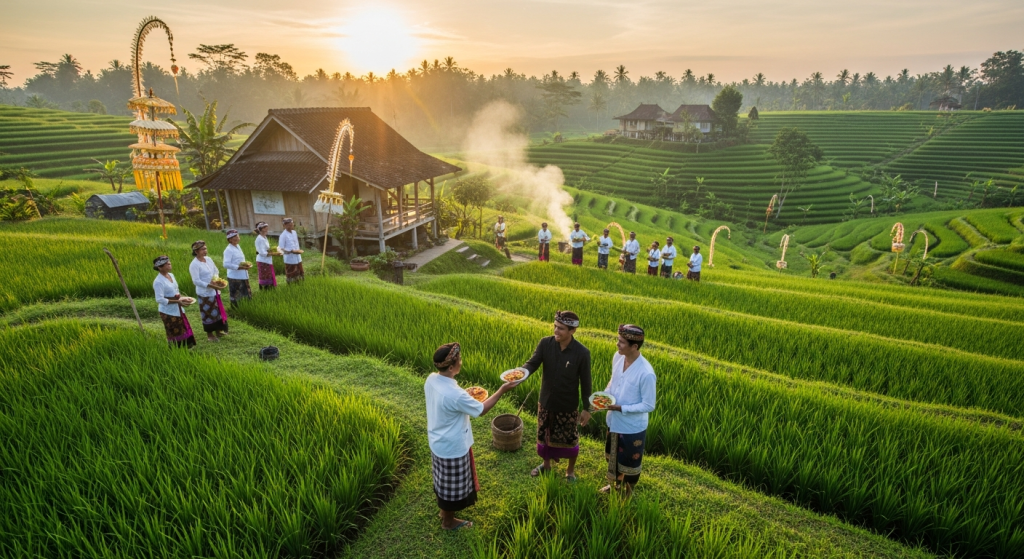
Bali agrotourism offers authentic, sustainable engagements with the island’s agricultural heartlands, prioritizing direct farmer interaction and ethical practices over conventional tourism. These experiences connect travelers with organic harvests, traditional farming methods, and local communities.
- Direct participation in rice cultivation, coffee harvesting, and organic farming.
- Focus on ethical sourcing, including certified Kopi Luwak and fair trade practices.
- Access to tranquil, less-traveled regions like Sidemen, Munduk, and Pupuan.
The dawn breaks over terraced slopes, a cool mist lifting from emerald rice paddies in Sidemen. The air carries the faint scent of damp earth and distant woodsmoke. This is Bali beyond the beach clubs, a landscape where tradition dictates the rhythm of life and the land offers its bounty. Travelers increasingly seek a deeper connection, moving past the superficial to the island’s authentic core. This shift defines the choice between conventional Bali experiences and dedicated Bali agrotourism.
Authenticity and Local Immersion: Agrotourism’s Core
Conventional Bali tourism often presents a polished facade, a series of curated photo opportunities that skim the surface of local life. Visitors might glimpse a rice terrace from a viewpoint or purchase coffee from a roadside stall. The interaction remains transactional, largely devoid of genuine exchange. In contrast, Bali agrotourism intentionally opens doors to the working lives of Balinese farmers. In Sidemen, for instance, a UNESCO World Heritage site since 2012 for its Subak irrigation system, visitors spend hours alongside local farmers. They learn the intricate process of planting rice seedlings, a practice passed down through generations. This hands-on engagement fosters a direct connection, moving beyond observation to participation. Average rice harvest cycles span three to four months, offering different activities depending on the season.
In regions like Pupuan, located in Tabanan Regency, the focus shifts to robust coffee and cocoa plantations. Here, the experience involves walking through groves where coffee cherries ripen on the branch, understanding the nuances between Arabica and Robusta beans, or observing the fermentation process for cocoa. Farmers share personal stories, explaining the challenges and rewards of their agricultural heritage. This direct communication, often facilitated by knowledgeable local guides, provides insights unavailable through generic tours. A typical agrotourism visit includes an educational session lasting 2-3 hours, often followed by a meal prepared with ingredients from the farm. This the local economy and culture defines the agrotourism difference, offering an intimate perspective on Bali’s agrarian soul.
Sustainable Practices and Ethical Sourcing: A Conscious Choice
The global traveler increasingly prioritizes sustainability, and this extends to their choice of activities. Many standard Bali tours, while enjoyable, may not explicitly address their environmental footprint or community impact. Agrotourism, by its very definition, places these considerations at its forefront. Operators committed to Bali agrotourism often adhere to strict organic farming principles, avoiding synthetic pesticides and fertilizers. This commitment protects Bali’s delicate ecosystems, including its vital water sources and biodiversity. For example, many coffee plantations in Kintamani, located on the slopes of Mount Batur, practice traditional organic methods, contributing to the region’s unique coffee profile. The Kintamani coffee region spans approximately 12,000 hectares.
The controversy surrounding Kopi Luwak, or civet coffee, highlights the importance of ethical sourcing. While traditional tours might offer Kopi Luwak without much transparency, responsible agrotourism operators provide certified Kopi Luwak, ensuring the civets are wild, not caged, and their welfare is paramount. Ethical certifications, such as those from the Wildlife Friendly Enterprise Network, verify these practices. Visitors learn about the civet’s role in the coffee ecosystem and the stringent processes involved in producing ethically sourced beans, which command higher prices, often starting from IDR 100,000 per cup for certified varieties. This transparency extends to fair trade practices, ensuring that farmers receive equitable compensation for their labor. Choosing agrotourism means supporting businesses that actively contribute to the long-term health of Bali’s environment and its farming communities, aligning travel choices with personal values.
Educational Depth and Hands-On Immersion: Beyond Observation
Standard tourist itineraries often involve passive observation: viewing temples, watching cultural performances, or relaxing on beaches. While these experiences hold their own value, they rarely offer direct participation or in-depth learning. Bali agrotourism transforms the traveler from a spectator into an active participant. Consider the rice terraces of Tegalalang, approximately 10 kilometers north of Ubud. While many visitors simply admire the verdant landscape from a viewpoint, an agrotourism experience allows guests to descend into the paddies. They learn about the Subak irrigation system, a democratic and ecological water management system dating back to the 9th century, and engage in tasks like transplanting rice seedlings or harvesting mature stalks. A typical rice planting session lasts about 90 minutes.
At coffee plantations in Bedugul or Munduk, the educational journey follows the bean from plant to cup. Participants actively pick ripe coffee cherries, learn to depulp them, and understand the sun-drying process. They then roast beans using traditional methods and grind them, culminating in a tasting session where they discern the subtle differences in flavor profiles. This hands-on approach demystifies the agricultural process, providing a tangible understanding of where food and beverages originate. Cooking classes, a popular agrotourism component, involve harvesting fresh organic ingredients directly from the farm, then preparing traditional Balinese dishes under the guidance of local chefs. These classes typically involve 8-10 fresh ingredients and last 2-3 hours, offering a deeper culinary appreciation than simply dining at a restaurant. The knowledge gained through these immersive activities creates lasting memories and a profound appreciation for Bali’s agricultural heritage.
Culinary Journeys and Farm-to-Table Authenticity: A Taste of Bali
Bali’s culinary scene is vibrant, ranging from street food stalls to high-end international restaurants. However, tracing ingredients back to their source often proves challenging in conventional dining. Agrotourism, by its nature, offers an farm-to-table experience, connecting the plate directly to the land. Imagine harvesting fresh vegetables like kangkung (water spinach) or long beans from an organic garden in Munduk, then bringing them directly to a kitchen for a cooking class. This immediate connection to the ingredients elevates the culinary experience. Munduk, situated at an elevation of approximately 1,000 meters above sea level, provides a cooler climate ideal for growing a diverse range of produce.
Traditional Balinese cooking classes within an agrotourism setting often begin with a market visit, explaining local spices and produce, followed by hands-on preparation of dishes such as lawar (mixed vegetables and meat with spices) or sate lilit (minced seafood or chicken satay). Participants learn about specific Balinese spice pastes, known as bumbu, which form the foundation of most local cuisine. This is a stark contrast to simply ordering a meal from a menu. Furthermore, the meals served at agrotourism sites often feature ingredients harvested just hours before, ensuring peak freshness and flavor. The experience includes tasting different coffee varietals or herbal teas grown on the premises, offering a complete sensory journey. This direct engagement with Bali’s gastronomy provides not just a meal, but a story of cultivation, tradition, and community, reinforcing the authenticity of the agrotourism choice.
Tranquil Landscapes and Community Benefits: Beyond the Crowds
Popular tourist areas in Bali, such as Seminyak or Canggu, can be bustling, with high concentrations of visitors. While these areas offer vibrant nightlife and extensive amenities, they often lack the serene tranquility that many travelers seek for genuine relaxation. Agrotourism experiences typically unfold in Bali’s less-traveled, rural heartlands, offering peace and expansive natural beauty. Sidemen, for example, remains relatively untouched by mass tourism, providing views of Mount Agung and verdant rice terraces without the crowds. This region is approximately 60 kilometers from Ngurah Rai International Airport.
Choosing agrotourism also directly benefits local communities. The revenue generated often goes directly to the farmers and their families, supporting sustainable livelihoods and preserving traditional ways of life. This contrasts with larger tourism operations where profits may be channeled to external corporations. Agrotourism operators frequently employ local guides, cooks, and staff, providing economic opportunities and fostering community pride. By engaging with these smaller, locally-run initiatives, travelers contribute to a more equitable distribution of tourism benefits across the island. This conscious decision supports the preservation of Bali’s cultural landscape and its indigenous populations, offering a travel experience that feels both meaningful and responsible. For more information on Bali’s sustainable initiatives, visit Indonesia.Travel.
Choosing Bali agrotourism means opting for an authentic journey into the island’s agricultural soul. It is a decision to connect with the land, its people, and its traditions in a meaningful, sustainable way. From planting rice in Sidemen to harvesting coffee in Kintamani, these experiences offer a profound understanding of Bali’s agrarian rhythm. Ready to cultivate your own Bali story? Explore our diverse farm experiences and book your authentic journey directly through baliagrotourism.com, where every visit supports local farmers and preserves Bali’s unique agricultural heritage. Discover the real Bali, one harvest at a time.