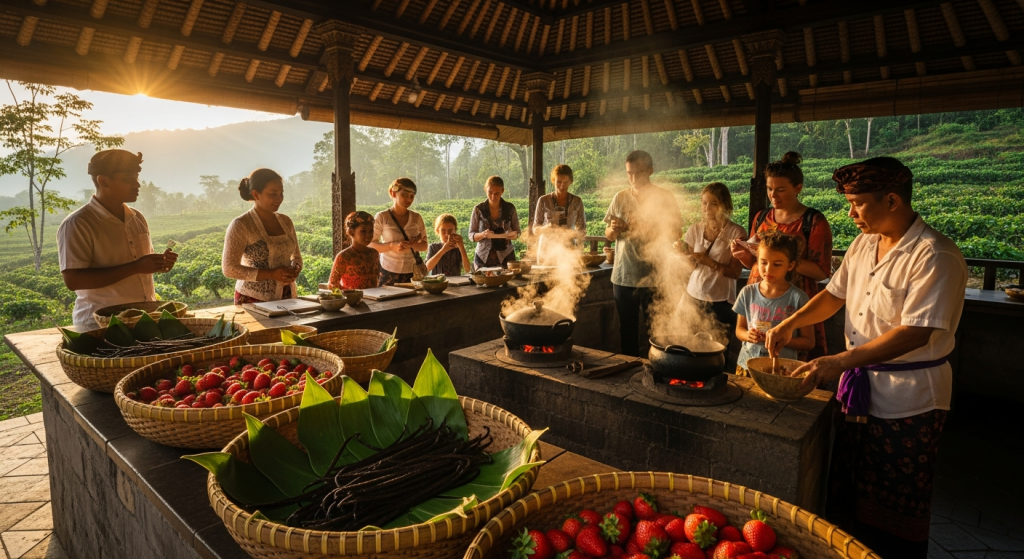
Bali agrotourism pricing reflects a spectrum of authentic farm experiences, from IDR 100,000 for a basic Kintamani coffee tasting to IDR 2,500,000+ for bespoke, multi-day organic farm immersions. Costs vary based on activity duration, private guide inclusion, and location, ensuring direct support for local farmer communities.
- Entry-level tours (IDR 100,000 – 300,000) offer guided walks through rice paddies or coffee plantations.
- Mid-tier experiences (IDR 400,000 – 900,000) include hands-on activities like rice planting or coffee processing.
- Premium packages (IDR 1,000,000 – 2,500,000+) feature cooking classes, private transport, and multi-location visits.
The air carries the scent of damp earth and roasting coffee. Palm fronds rustle above vibrant green rice stalks. This is Bali beyond the coastline, where the island’s agricultural heart beats with purpose.
Decoding Bali Agrotourism Costs: An Overview
Understanding the cost of a Bali agrotourism experience means recognizing the value exchange. You are not simply purchasing a ticket; you invest directly into local economies, sustainable farming practices, and the preservation of Bali’s unique cultural landscape. Prices for agrotourism activities on the island vary significantly, starting from approximately IDR 100,000 (roughly USD 7) for a basic coffee tasting and reaching upwards of IDR 2,500,000 (around USD 170) for a comprehensive, private, multi-day farm immersion. These figures reflect the diversity of offerings available, from a quick visit to a Kintamani coffee farm to an extensive cooking class utilizing freshly harvested organic produce in Sidemen.
Several factors influence the pricing tiers. The duration of the activity plays a significant role; a 30-minute guided walk through a rice terrace naturally costs less than a four-hour cooking class that includes a market visit. Inclusions are also critical: does the price cover transportation, a private guide, meals, or just the activity itself? Location can also dictate cost, with more remote, authentic experiences in areas like Pupuan or Munduk sometimes offering different price points compared to highly accessible spots near Ubud or Bedugul. For example, a basic coffee tasting at a Kintamani plantation often costs IDR 150,000 per person, including samples of 5-7 different coffee and tea varieties. This supports the local farmers who cultivate Arabica beans at altitudes of 1,300 to 1,700 meters above sea level.
Our commitment at Bali Agrotourism involves partnering exclusively with ethical operators. This ensures a transparent pricing structure where a substantial portion of your payment – typically 40-60% – directly benefits the farming families and communities. This financial support helps maintain traditional methods, invest in organic fertilizers, and provide fair wages, a crucial aspect for sustainable-conscious travelers. Many of our partner farms, like those in the Subak system of Tegalalang, have operated for generations, with documented histories extending back to the 11th century, as recognized by UNESCO. Your investment fosters this legacy, preserving a way of life that defines Bali’s agricultural identity.
The Sidemen & Tegalalang Rice Terrace Experience: Value Tiers
The iconic rice terraces of Bali offer a profound connection to the island’s agricultural heritage. Sidemen, known for its tranquil valleys and authentic village life, provides a stark contrast to the more frequently visited, yet equally impressive, Tegalalang terraces. Both locations offer distinct agrotourism experiences, each with its own pricing structure reflecting the depth of engagement. For a simple guided walk through the Tegalalang Rice Terraces, expect to pay a community entrance fee of approximately IDR 50,000 to 70,000 (around USD 3-5). This fee directly supports the local Subak irrigation system and its maintenance, a cooperative management structure that dates back over a thousand years. A basic, unguided walk allows for observation and photography, typically lasting 30-60 minutes.
For a more active engagement, consider a Price Tier B experience, focused on activity and interaction. In Sidemen, a guided rice planting or harvesting demonstration, led by local farmers, costs between IDR 400,000 and 700,000 (USD 27-48). This 2-3 hour activity often includes learning about the traditional tools like the ani-ani knife for harvesting, understanding the intricate irrigation channels, and even participating in the muddy work of transplanting rice seedlings. Farms like the Sari Organik in Sidemen, which adheres to strict organic farming principles, often include fresh coconut water or local snacks as part of this package. The average rice growing cycle in Bali spans 120-140 days, meaning different activities are available depending on the season, offering a dynamic experience for visitors.
The most comprehensive immersion, Price Tier C, often includes a culinary component. A full-day rice terrace tour in either Tegalalang or Sidemen, combined with a traditional Balinese cooking class, ranges from IDR 900,000 to 1,500,000 (USD 60-100). This typically starts with a thorough farm tour, identifying various herbs and vegetables grown alongside the rice, followed by a hands-on cooking session. Participants learn to prepare 3-5 local dishes using ingredients sourced directly from the farm, culminating in a communal lunch. Many of these experiences are offered by certified ethical operators, ensuring that a significant portion of your fee supports the farmer’s livelihood and environmental stewardship. For instance, the distance from Ubud to Tegalalang is only about 10 kilometers, making it an accessible option, while Sidemen, approximately 30 kilometers southeast of Ubud, offers a more secluded, authentic feel. Learn more about the Subak system on Wikipedia, recognized globally for its ingenuity.
Kintamani & Munduk Coffee Plantations: From Bean to Cup Pricing
Bali’s highlands are synonymous with coffee. Kintamani, located on the slopes of Mount Batur, is renowned for its Arabica coffee, cultivated at high altitudes and processed using the unique wet-hull method. Munduk, in northern Bali, offers a cooler climate, ideal for robust Robusta beans. Both regions provide distinct coffee agrotourism experiences, each with its own pricing structure. For a basic coffee tasting and plantation view in Kintamani, visitors can expect to pay IDR 100,000 to 200,000 (USD 7-14). This typically includes sampling 5-7 varieties of local coffee and herbal teas, often overlooking the dramatic caldera landscape. Farms like the Bali Pulina Agrotourism offer this introductory experience, showcasing their commitment to sustainable practices.
Price Tier B elevates the experience with a guided plantation walk and processing demonstration. These tours, priced between IDR 350,000 and 600,000 (USD 24-40), last 1.5 to 2 hours. You walk among the coffee trees, learning about the cultivation cycles, which typically see harvest season from May to September for Arabica. Guides explain the stages of coffee processing, from de-pulping and fermentation to sun-drying and roasting. Many farms in Munduk, known for their smaller, family-run operations, provide intimate insights into traditional methods passed down through generations. For example, a 2-hectare coffee plantation near Lake Bratan in Bedugul might offer a tour detailing their organic certification, a process that can take up to three years to achieve full compliance.
For the ultimate coffee enthusiast, Price Tier C involves a hands-on harvest (seasonal) and a comprehensive bean-to-cup workshop, ranging from IDR 800,000 to 1,800,000 (USD 55-120). This often includes active participation in picking ripe coffee cherries, sorting beans, and even assisting with the roasting process using traditional wood-fired methods. The workshop typically culminates in brewing and tasting your own freshly processed coffee, sometimes paired with a traditional Balinese coffee lunch. Ethical sourcing of Luwak coffee is a key consideration; reputable farms ensure civets are wild-sourced and ethically treated, living in natural habitats rather than cages. Our certified partners adhere to strict animal welfare guidelines, ensuring that any Luwak coffee offered is produced without exploitation. This commitment to ethical practices supports not only the environment but also the well-being of the animals involved, a critical point for sustainable travelers. Discover more about Bali’s unique destinations and culture at Indonesia.Travel.
Organic Harvests & Cooking Classes: Culinary Agrotourism Investment
Bali’s fertile volcanic soils yield an abundance of organic produce, making culinary agrotourism a deeply rewarding experience. Beyond rice and coffee, regions like Pupuan and Bedugul are vibrant hubs for vegetable and fruit farming. Investing in an organic harvest and cooking class provides a direct, delicious connection to the land and its bounty. A Price Tier A experience, such as a farm-to-table demonstration, typically costs between IDR 500,000 and 900,000 (USD 34-62). This usually involves a guided tour of an organic farm, explaining the cultivation of common Balinese vegetables like long beans, snake gourds, and various leafy greens, followed by a chef demonstrating how to prepare 2-3 traditional dishes using these fresh ingredients. Such experiences often last 2-3 hours and conclude with a tasting of the prepared meal.
For a more immersive culinary journey, Price Tier B offers hands-on cooking classes, ranging from IDR 1,000,000 to 1,800,000 (USD 68-120). These programs frequently begin with a guided visit to a local traditional pasar (market), where participants learn about selecting fresh produce, spices, and proteins. Following the market visit, a professional Balinese chef leads a 3-4 hour cooking session, teaching guests to prepare 3-5 authentic dishes such as sate lilit, lawar, or ayam betutu. Each participant receives their own cooking station and comprehensive recipe cards to recreate the flavors at home. Farms like those in Pupuan, known for their diverse organic produce and spices, often host these classes, emphasizing the farm-to-fork philosophy. These farms frequently participate in local co-operatives, ensuring fair pricing for their produce and supporting upwards of 50 local farming families.
The premium Price Tier C offers an extended organic experience, priced from IDR 1,500,000 to 2,500,000+ (USD 100-170+), depending on duration and bespoke elements. This can involve a full-day immersion, including multiple cooking sessions, an in-depth exploration of permaculture principles on the farm, and even interactions with the farmer community. Some packages integrate wellness elements, such as traditional herbal tea making or natural remedy workshops. These experiences are particularly popular with families and foodies who seek a deeper understanding of sustainable living and Balinese culinary traditions. The organic certification process for many of these farms involves rigorous annual inspections, ensuring adherence to standards that prohibit synthetic pesticides and fertilizers for at least three years prior to certification. This investment supports not just a meal, but a philosophy of respectful cultivation and consumption.
Bespoke Bali Agrotourism Journeys: Custom Pricing & Value
For travelers seeking a truly personalized and exclusive exploration of Bali’s agricultural landscape, bespoke agrotourism journeys offer flexibility and depth. These custom-designed tours move beyond standard packages, allowing you to curate an itinerary that perfectly aligns with your interests, schedule, and desired level of immersion. Pricing for bespoke experiences starts at approximately IDR 2,000,000 (USD 135) per day and can extend to IDR 5,000,000+ (USD 340+) per day, depending on the complexity of the itinerary, the number of locations visited, and the specific inclusions. This higher investment reflects the premium service of a private guide, dedicated transport, and access to exclusive farm experiences not typically available on group tours.
A bespoke journey might involve combining a sunrise trek through the Kintamani coffee mountains with a private coffee harvesting session, followed by a cooking class at an organic farm in Sidemen, all within a single day. Or, it could be a multi-day itinerary exploring the rice terraces of Pupuan, known for their dramatic, less-visited landscapes, before heading north to Munduk for a clove and vanilla plantations. Inclusions often feature luxury private vehicle transfers with experienced local drivers, fluent English-speaking expert guides who possess intimate knowledge of Balinese agriculture and culture, and gourmet farm-to-table meals prepared by private chefs. For instance, a 3-day bespoke tour might cover Kintamani, Sidemen, and Munduk, including accommodation at boutique farm stays, costing around IDR 10,000,000 to 15,000,000 (USD 680-1000) for two people, without international flights.
The value in bespoke agrotourism lies in its personalization. You dictate the pace, choose the specific farms you wish to visit – perhaps focusing on a particular crop like cacao or vanilla, or seeking out community-based initiatives that empower women farmers. Our team works closely with you to craft an itinerary that integrates your preferences, whether it’s a focus on organic farming certifications, traditional healing herbs, or specific Balinese cooking techniques. This level of customization ensures that every moment of your journey is meaningful and tailored to your curiosity. We partner with local guides who are often farmers themselves or deeply connected to the agricultural communities, providing an insider perspective that enriches the experience beyond typical tourism. For more insights into planning your Balinese adventure, visit our Bali Agrotourism Experiences page.
Ensuring Ethical Value: What Your Agrotourism Investment Supports
Choosing Bali Agrotourism means making a conscious decision to support ethical and sustainable practices. The pricing structure for all our experiences is designed with transparency and direct community benefit at its core. When you invest in a tour, cooking class, or farm visit, your money directly contributes to the livelihoods of local farmers, the preservation of traditional agricultural techniques, and the ecological health of Bali’s precious landscapes. For example, a significant portion – typically 60-70% – of the revenue from a rice planting tour in Sidemen goes directly to the farmer cooperative, funding fair wages for the farmers and their families, as well as maintaining the complex Subak irrigation systems that are vital to rice cultivation.
Beyond direct financial support, your investment aids in broader community development. Many of our partner farms allocate a percentage of their earnings, often 5-10%, to local initiatives such as educational programs for children, healthcare access in rural villages, or infrastructure improvements. This commitment extends to environmental stewardship; funds help support organic farming certifications, which can be costly for small farmers, and contribute to efforts in land preservation and biodiversity protection. For instance, a coffee plantation in Munduk, operating ethically for over 15 years, has used agrotourism revenue to transition fully to organic pest control methods, reducing their environmental footprint significantly. This ensures that the beautiful landscapes you visit remain vibrant and productive for future generations.
We work exclusively with operators who hold ethical certifications or adhere to stringent internal guidelines that mirror international fair trade principles. This means ensuring fair wages that exceed minimum local standards, providing safe working conditions, and promoting gender equality within the farming community. For travelers, this translates into peace of mind, knowing that their expenditure creates a positive impact. When you participate in a cooking class, the ingredients are often sourced from a network of small local organic farms, strengthening the entire agricultural supply chain. This holistic approach to agrotourism ensures that the value you receive extends far beyond the immediate experience, fostering a sustainable future for Bali’s agricultural heartland. Explore our commitment to sustainability on our Sustainable Travel Bali page.
Discover the true essence of Bali, where every experience connects you to the land and its people. From the vibrant rice terraces of Sidemen to the aromatic coffee plantations of Kintamani, your journey through Bali agrotourism offers authentic engagement and meaningful impact. Explore our full range of offerings and plan your sustainable adventure today by visiting our homepage.